
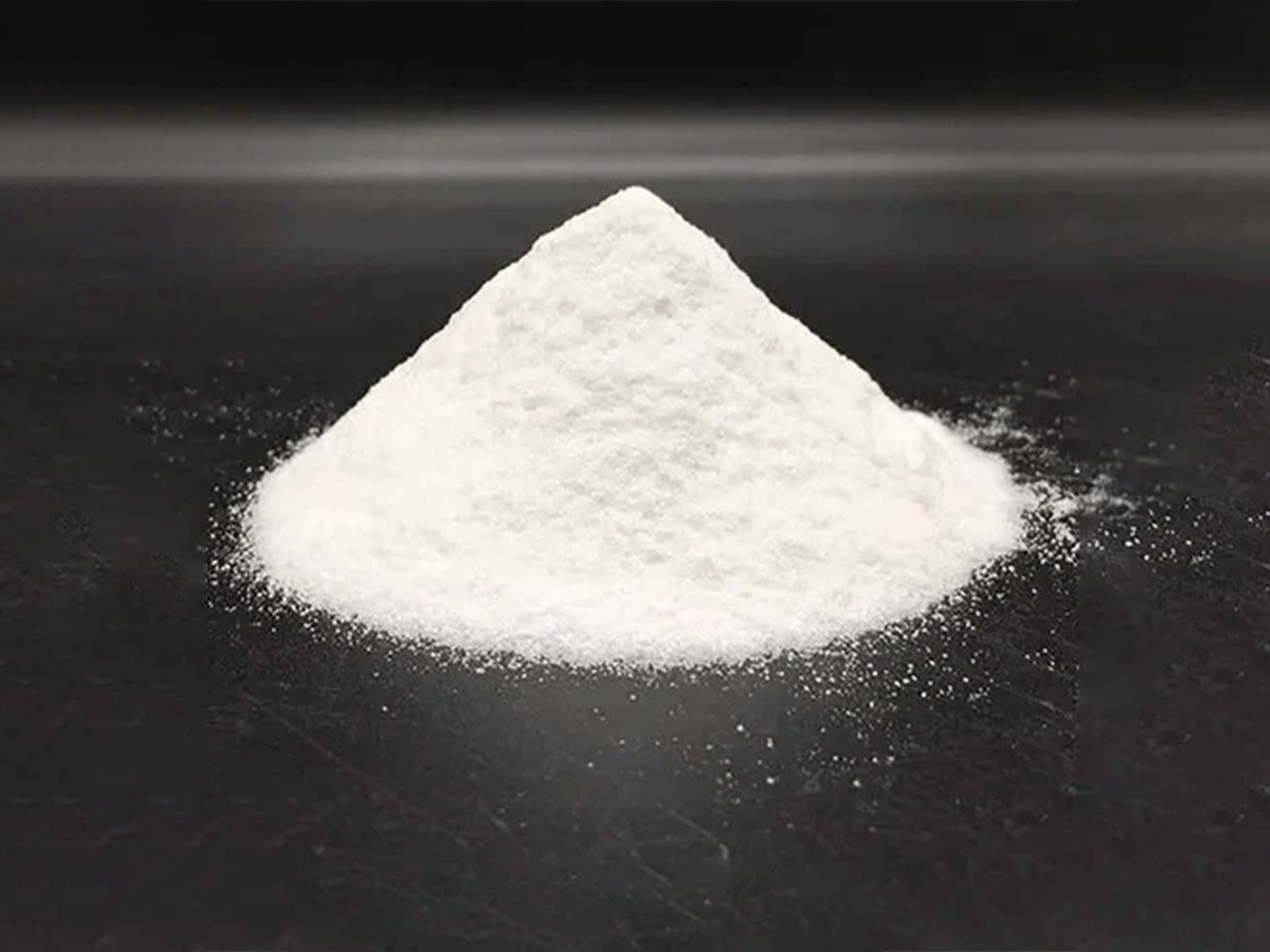
What Are Floccs?
Flocculants are substances that promote the clumping of fine particles in water. They are used widely in wastewater treatment to enhance the separation of solids and liquids, ensuring cleaner effluent and more efficient processes.
Coagulants for Wastewater Treatment
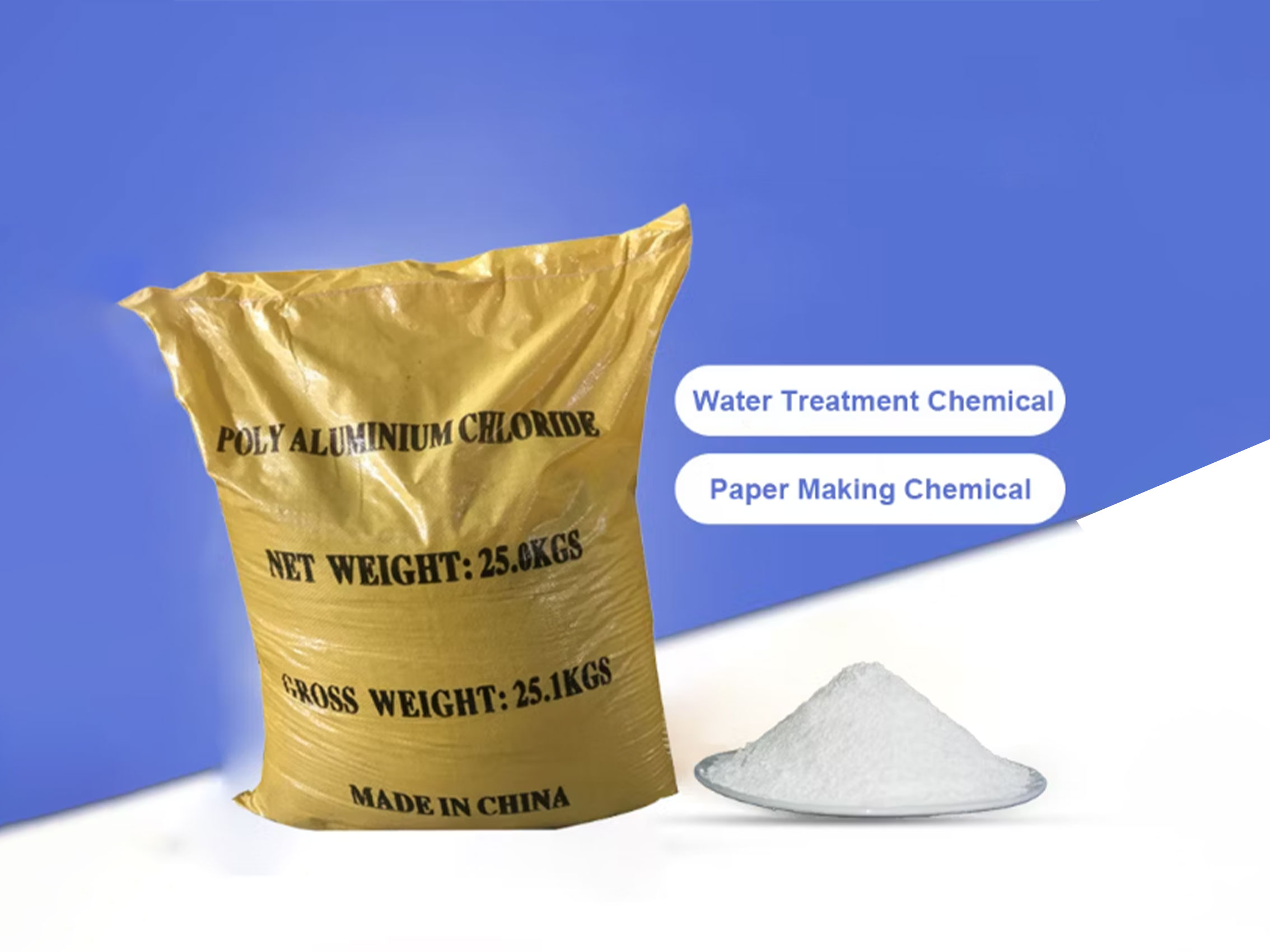
Coagulants play a critical role in wastewater treatment, assisting in the removal of solids, water clarification, lime softening, and sludge thickening. These chemicals are essential for industrial processes that rely on clean water. When combined with mechanical filtration and other specialized chemicals, coagulants provide companies with an efficient, on-site water treatment solution that avoids costly outsourcing.
Key benefits of coagulants include:
Long-term sustainability of the treatment process
High water reclamation with near closed-loop systems
Cost savings through process efficiency
How Coagulants Work in Wastewater Treatment
Coagulants work by neutralizing the charges on suspended particles, encouraging them to clump together into larger particles, or flocs. These flocs settle out of the water more easily, enabling their removal via sedimentation or filtration.
Coagulants vs. Flocculants
Coagulants and flocculants serve different roles in water treatment. Coagulants neutralize charges on particles, while flocculants help bind those particles into larger flocs. Together, they create an efficient process for separating contaminants from water.
Contact our team today
Need professional servicing or urgent replacement of valves and actuators?